BLESSED ALPHONSE MARIE AND THE DIGNITY OF EVERY PERSON

Dignity is a deep and multidimensional concept that touches on the value of a person as a unique being. The basis for the protection of human dignity is found in Holy Scripture and is based primarily on the fact that man is created in the image and likeness of God (cf. Gn 1:27). This fact gives every human being an inalienable value that does not depend on their performance, wealth, or status.

The New Testament elevates the dignity of man even higher by making God Himself human in Jesus Christ (cf. Jn 1:14). In Jesus Christ, love in truth becomes the face of His person and a calling for us to love our brothers and sisters in the truth of God's plan.

We look with respect at the commitment of many people who, in any need, demonstrate human and Christian love for their neighbor, thus showing them their respect and recognizing their dignity. Among them were the founders and foundresses of many religious orders, who were and are being raised up by the Holy Spirit in the Church as a means of healing from a certain deficiency and/or as a help to the people of God in difficult situations.
Respecting human dignity in oneself and in others does not mean having an exaggerated, artificial, and lifeless approach to communication. Accepting others in their full humanity, respecting their opinions and attitudes... is the result of accepting their value and dignity. Making other people feel that they have their own importance, regardless of their status, work, different opinions, different style of dress, different approach to prayer and understanding of life in community... However, this presupposes experiencing one's own human dignity.

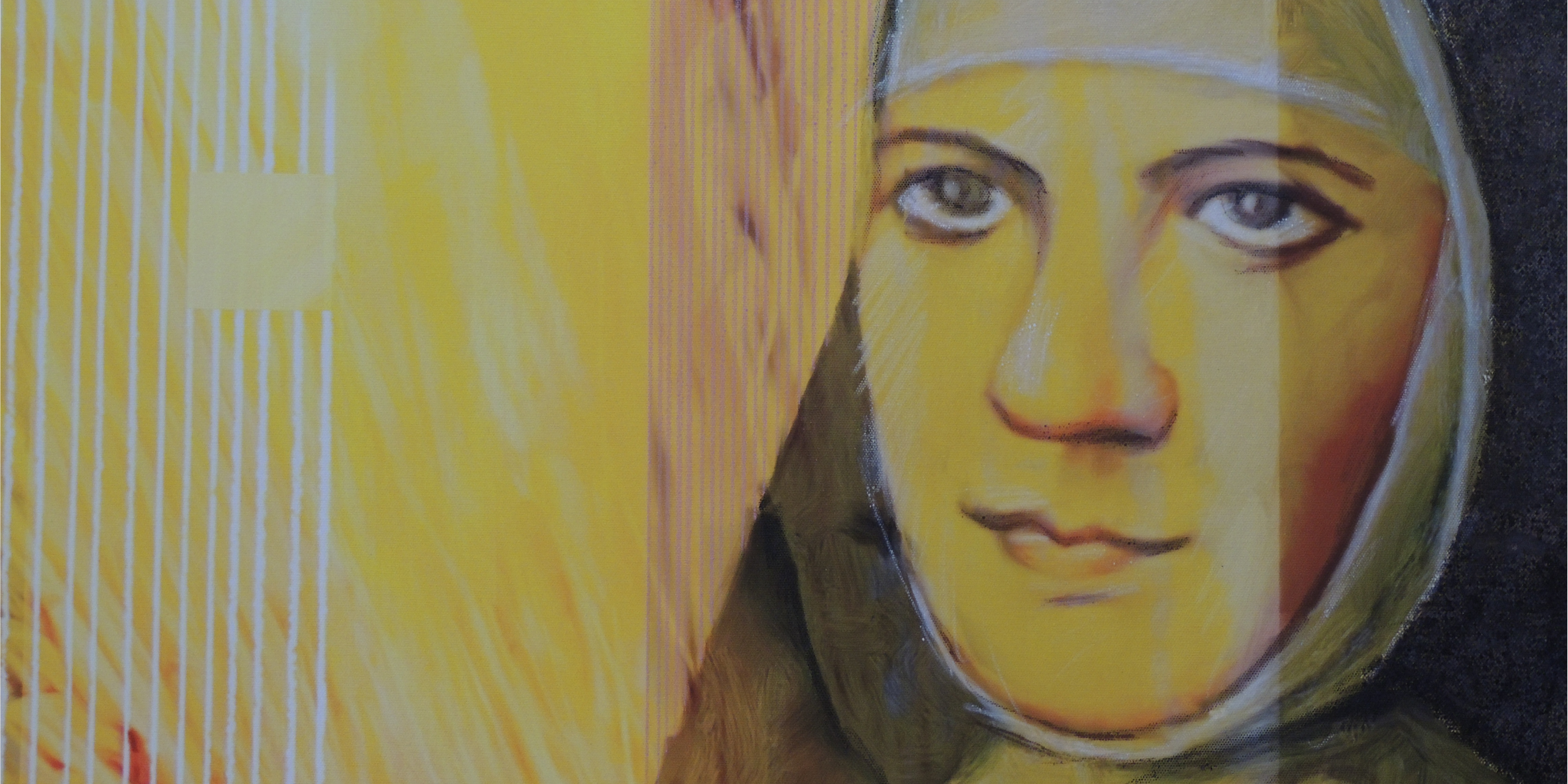
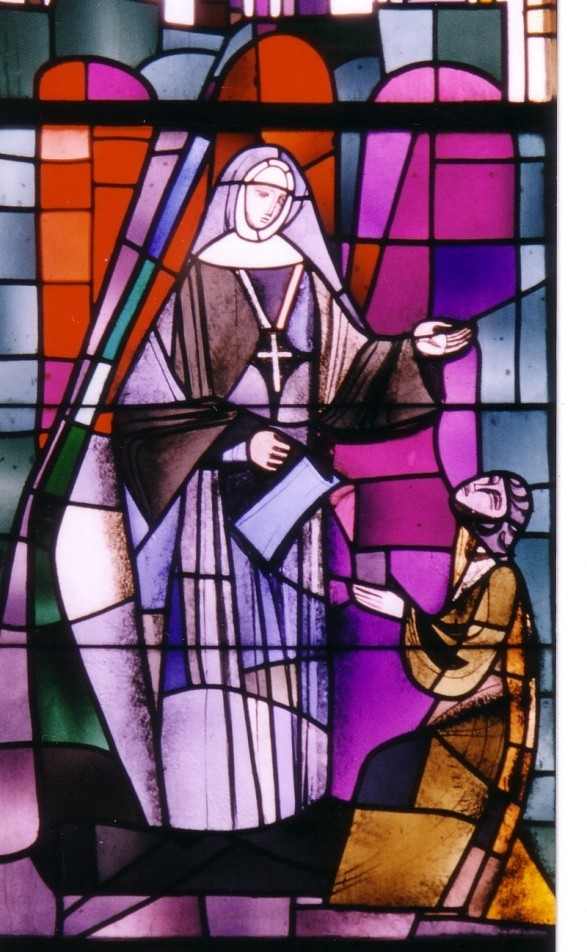
Our Foundress, Blessed Alphonse Marie, "an inconspicuous saint", as Walter Nigg called her in his publication; this inconspicuous, unstudied woman who did not experience in her life the admiration and fame that would be noticed by the upper classes of the population; this simple and sickly Elizabeth proved with her life that each person has his/her own, unrepeatable and unique human dignity. By founding the congregation, she responded “to the needs of her time in ministering to the poor and suffering of all ages regardless of their religion, gender and background. Through various services, she wanted to relieve suffering, give hope, and was always concerned about the salvation of the whole person.” (SDR Constitutions, point 5)

On the bed of suffering that she experienced in her youth, an unfathomable field of action was born within her: to proclaim and enable all people to experience God’s love revealed in Jesus, the Redeemer. How will that be possible? The Lord knows the way that He wants to accomplish through her, and the task is so great that she could not do it alone. She needs companions and many like-minded sisters for this great work.

If we ask about the purpose of this new Religious community, Elizabeth always draws on her own experiences. She knows only Niederbronn and its surroundings; how people live there and earn their daily bread. She knows the causes of their suffering, which are exacerbated by poverty and disease. How can one believe in God's goodness in such situations! The description of the situation of the poor sick in their homes paints a frightening picture of reality. When Father REICHARD was appointed Superior, in the Chronicle of St. Joseph Convent it is written that there was nothing extraordinary about the first days. The Sisters were devoted to nursing care, providing changes of clean clothes for the sick so that they felt good, cleaning the poor homes, feeding abandoned children in the monastery and helping them with their schooling.

These are Elizabeth’s own plans. To her fervent faith, it seems possible to become an instrument of God's mercy precisely through simple tasks that will ease and help the body while at the same time bringing inner peace. It is important for her to GO where the abandoned and people without any means suffer. Through their simple presence, by noticing pain and gestures, by listening and showing respect to those who are suffering, the Sisters can SAY them that God's goodness cares for them. She believes that such an attitude and action of the young Sisters of the Divine Redeemer will contribute to the knowledge of the message of Jesus.

These are the building stones for the simple yet demanding ministry of our Foundress. She does not have human resources such as education, respectability, and property at her disposal.

Father Reichard, from his own experience as a priest of the village, strives with full zeal to formulate the thoughts of his parishioner, and considers this undertaking adequate to help the villagers. His priestly heart is deeply touched by the understanding of the mystery of redemption reflected in this undertaking.

Even Bishop Räss recognized in it Divine inspiration, the answer to the questions that occupied him as a "shepherd". He was willing to travel his large diocese from one end to the other without fear, and in doing so, he perceived among the inhabitants the fundamental changes in social structures with the beginning industrialization of Alsace. We thank him for examining and correcting the first drafts of the Original Rules so that the introduction still preserves a realistic description of the condition of the poor sick in their homes.

Another witness, Dr. KUHN, an inhabitant and medical doctor from Niederbronn describes “the work of the Daughter of the Divine Redeemer” as follows: “These pious Sisters not only keep vigil at the bedside of the sick, but they do not cease to give them the most zealous care day and night, regardless of the danger of infection and natural repugnance. Nay, they come to the huts of the poor, bring them religious consolation, by their gentleness they turn away unkind and harsh manners, and work so diligently that cleaness exists where it has not been found before. They even teach children in inaccessible areas where there has never been a teacher or a school before.”


In our spiritual and practical work aimed at deepening our spiritual heritage based on new and old materials, we have accepted the challenge regarding our convictions, attitudes and apostolic commitment in various areas of activity. What did we experience? Partly encouragement, partly the need for necessary renewal, enhancement or even change. Many things are leading to new enthusiasm, new vigor in the areas of spiritual life, community, and mission – transmission of charisma and spirituality. We want to continue to live our calling and mission in the Church convincingly and, as Blessed Alphonse Marie, we are also sent to people, especially the poor and disadvantaged, so that they may experience the merciful and redeeming love of Jesus Christ.

Sources: CCC, Walter Nigg: AN INCONSPICUOUS SAINT,
Sr. Denise Herissard: BIRTHDAY.